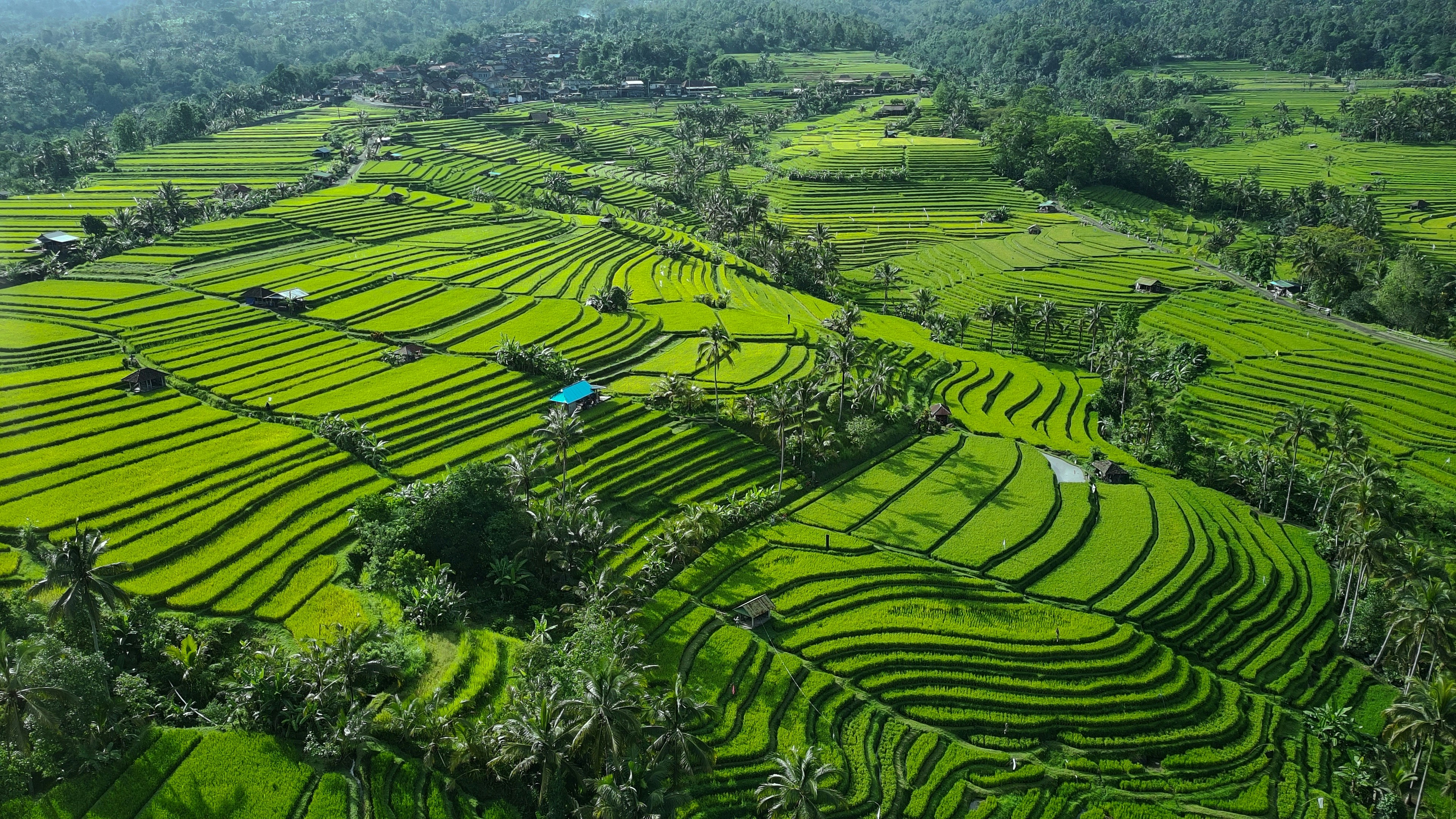
Bali Rice Terraces
Discover the Essence of Bali Rice Terraces
Long before Bali became known around the world for its beaches and resorts, the island was shaped by something far more timeless—its rice terraces.
Carved into hillsides, valleys, and mountain landscapes over centuries, Bali’s rice terraces are more than beautiful scenery. They are part of the island’s cultural identity, created through generations of farming traditions that continue to this day.
For travelers, exploring Bali’s rice terraces offers a different rhythm of experience. Mornings begin with soft mist drifting above the fields, sunlight slowly touches layers of green landscape, and narrow paths lead through some of the most peaceful corners of the island.
It is here that Bali feels calm, authentic, and deeply connected to nature.
A Tradition That Shaped Bali
The rice terraces of Bali were built using the ancient Subak irrigation system, a traditional farming method that has existed for more than a thousand years.
More than an agricultural technique, Subak reflects the Balinese philosophy of harmony between humans, nature, and spirituality. Water from the mountains flows carefully through temples, rivers, and terraces before reaching the fields below, creating landscapes that are both functional and remarkably beautiful.
Even today, many Balinese communities continue to farm the land using the same traditions passed down through generations.
Tegallalang — Bali’s Most Iconic Rice Terrace
Tegallalang Rice Terrace
Located just north of Ubud, Tegallalang is perhaps the most recognizable rice terrace in Bali. Layers of vibrant green fields stretch across the valley, creating one of the island’s most photographed landscapes.
Despite its popularity, Tegallalang still holds moments of quiet beauty—especially during early mornings when the light is soft and the terraces feel almost untouched.
Visitors can walk through the rice fields, enjoy local cafés overlooking the valley, or simply pause to take in the scenery that has become symbolic of Bali itself.
Jatiluwih — Bali’s UNESCO Landscape
Jatiluwih Rice Terraces
Far larger and more expansive than Tegallalang, Jatiluwih offers one of the most breathtaking panoramic landscapes on the island.
Recognized as a UNESCO World Heritage Site, the terraces stretch across the foothills of Bali’s mountains, creating endless layers of green shaped by the Subak system.
Unlike busier tourist areas, Jatiluwih feels peaceful and spacious. Travelers often come here to walk slowly through the countryside, cycle along scenic roads, or simply experience a quieter and more authentic side of Bali.
The atmosphere here feels timeless.
Sidemen — Rice Fields Beneath Mount Agung
Sidemen Valley
In East Bali, Sidemen offers a more intimate rice terrace experience surrounded by traditional villages and views of Mount Agung in the distance.
The landscape here feels softer and less commercialized, making it especially popular among travelers seeking quiet luxury, wellness escapes, and slow travel experiences.
Morning walks through the rice fields, local village encounters, and peaceful valley stays create an atmosphere that feels deeply connected to the natural rhythm of Bali.
Pupuan — Bali’s Hidden Green Highlands
Pupuan
Located in the western highlands of Bali, Pupuan remains one of the island’s lesser-known rice terrace regions.
Rolling hills, winding countryside roads, and wide-open landscapes create a setting that feels untouched by mass tourism. The journey itself becomes part of the experience, passing through quiet villages and scenic mountain routes rarely explored by first-time visitors.
For travelers looking to discover hidden Bali, Pupuan offers one of the island’s most peaceful countryside escapes.
Rendang & East Bali Rice Landscapes
Rendang
Near the slopes of Mount Agung, the rice fields around Rendang reveal another beautiful side of East Bali.
The cooler climate, mountain backdrop, and traditional farming communities create landscapes that feel both dramatic and serene at the same time. This region is often experienced while traveling toward Besakih Temple or exploring Bali’s eastern countryside.
More Than Just Scenic Views
What makes Bali’s rice terraces unforgettable is not only their beauty, but the feeling they create.
Walking through the fields allows travelers to experience Bali at a slower pace. The sound of flowing water moves gently between the terraces, farmers continue their daily routines, and the surrounding landscapes shift constantly with light, weather, and season.
Every terrace feels alive.
Unlike destinations designed purely for tourism, Bali’s rice fields continue to support real communities and traditions. This gives each landscape a sense of authenticity that visitors can genuinely feel.
Experiences Among Bali’s Rice Terraces
Travelers visiting Bali’s countryside can enjoy:
sunrise rice field walks
scenic cycling routes
local coffee overlooking the valleys
luxury jungle villas surrounded by terraces
photography experiences
traditional village encounters
private picnic experiences in nature
For couples and honeymoon travelers, the peaceful atmosphere creates some of the most memorable moments on the island.
Why Travelers Fall in Love With Bali’s Countryside
The rice terraces reveal a side of Bali that feels calm, grounding, and timeless.
In a world that often moves quickly, these landscapes invite travelers to slow down—to walk, observe, breathe, and reconnect with nature in a more meaningful way.
Each region offers a different atmosphere:
Tegallalang feels iconic and vibrant
Jatiluwih feels vast and peaceful
Sidemen feels intimate and authentic
Pupuan feels hidden and untouched
Together, they tell the story of Bali itself.
The Heart of Bali’s Beauty
Some places in Bali are admired for a moment. Others leave a lasting impression because of how naturally beautiful they feel.
The rice terraces belong to the latter.
They are not simply landscapes to photograph, but living expressions of Bali’s history, culture, and connection to the land.
And for many travelers, exploring Bali’s rice terraces becomes one of the experiences that defines their entire journey on the island.
Curated Experiences
Packages in Bali Rice Terraces
No Packages found in this destination
Explore our other collections for your perfect trip.
View All Packages