Bali Monkey Forests
Discover the Essence of Bali Monkey Forests
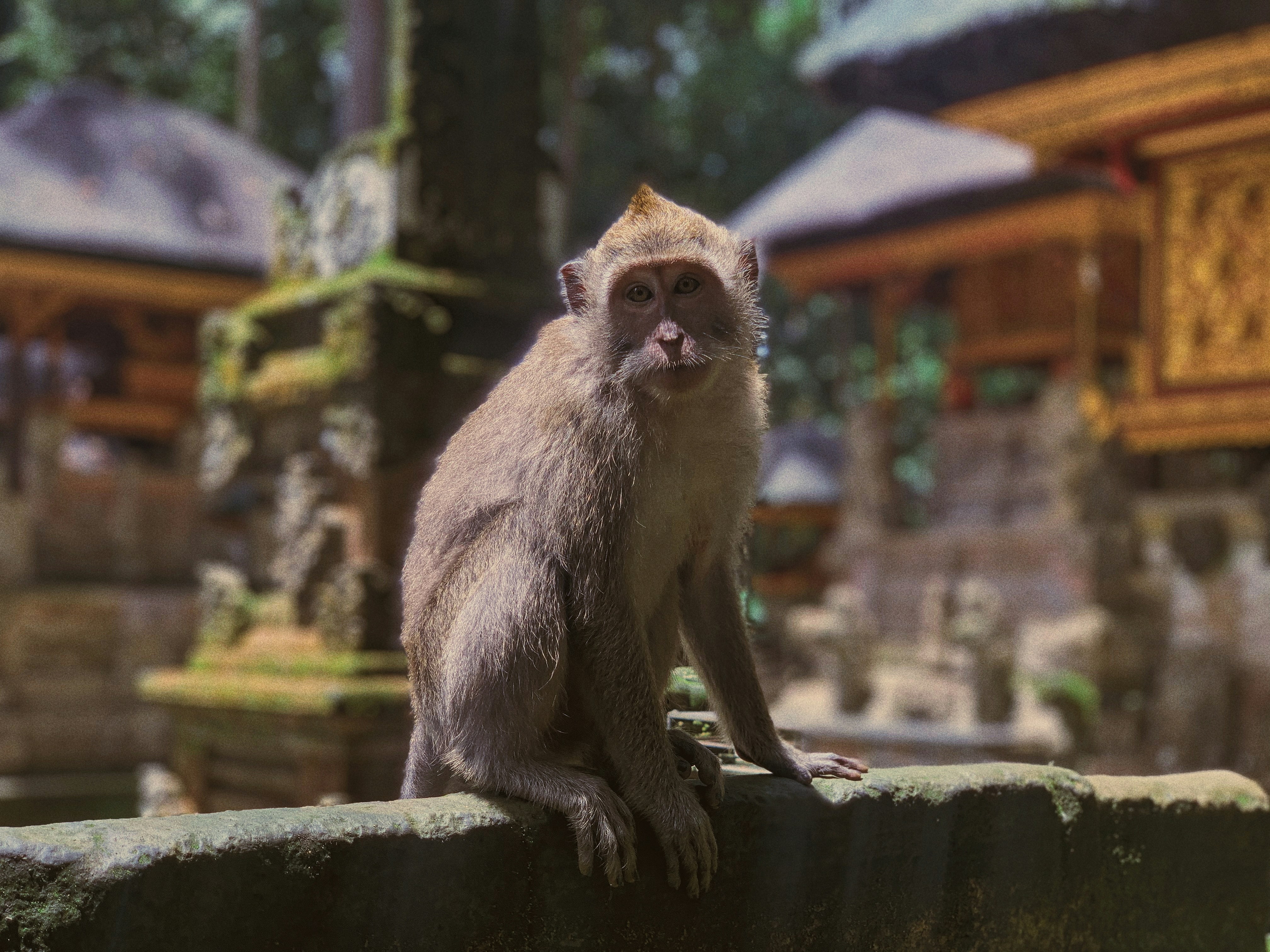
Among Bali’s temples, rice terraces, and waterfalls, there are places where nature feels especially alive. Deep within tropical forests, ancient trees rise above stone pathways, temple shrines sit quietly beneath the jungle canopy, and long-tailed macaques move freely through landscapes that have been protected for generations.
These are Bali’s monkey forests—places that are far more than wildlife attractions alone.
For many travelers, visiting a monkey forest becomes one of the most memorable and unexpected experiences on the island. It is not only about seeing monkeys in their natural habitat, but about stepping into environments where nature, culture, and spirituality continue to coexist in harmony.
Sacred Monkey Forest Sanctuary — The Heart of Ubud
Located in the center of Ubud, the Sacred Monkey Forest Sanctuary is Bali’s most famous monkey forest and one of the island’s most iconic nature experiences.
Surrounded by dense tropical greenery, moss-covered temples, stone bridges, and giant banyan trees, the forest feels ancient and almost cinematic. Hundreds of Balinese long-tailed macaques live freely throughout the sanctuary, moving naturally through the jungle and temple grounds.
Yet what makes this place truly special is its deeper meaning.
The forest is considered sacred by the local community and remains closely connected to Balinese spiritual beliefs. Hidden within the sanctuary are ancient temples still used for ceremonies and religious rituals today.
Walking through the forest feels less like visiting an attraction and more like entering a living part of Bali’s cultural and natural world.
Sangeh Monkey Forest — Bali’s Hidden Forest Sanctuary
Less crowded and more peaceful than Ubud, Sangeh Monkey Forest offers a quieter and more natural atmosphere surrounded by towering nutmeg trees that have stood for centuries.
The forest feels cooler, calmer, and deeply connected to nature. Monkeys roam freely across shaded pathways while hidden temple structures appear between the trees, creating an atmosphere that feels both mysterious and peaceful at the same time.
For travelers who prefer a slower and less touristy experience, Sangeh reveals a softer side of Bali’s jungle landscapes.
Alas Kedaton — A Sacred Forest Near Tabanan
Located in Tabanan, Alas Kedaton combines forest scenery, temple culture, and wildlife in a more traditional village setting.
The area is home not only to monkeys, but also large fruit bats that can often be seen resting among the trees. At the center of the forest stands a sacred temple surrounded by greenery and local spiritual history.
Unlike larger tourist destinations, Alas Kedaton retains a quieter atmosphere that feels closely tied to the surrounding community.
More Than Wildlife Encounters
What makes Bali’s monkey forests unique is not simply the presence of monkeys themselves.
These forests represent something deeper within Balinese culture—the belief that humans, nature, and spirituality should exist together in balance. The forests are protected not only as natural habitats, but also as sacred spaces connected to local temples and traditions.
Visitors quickly notice that these environments feel different from ordinary wildlife parks. Ancient trees, stone carvings, jungle sounds, and spiritual architecture create an atmosphere that feels calm, immersive, and timeless.
The Experience of Walking Through Bali’s Forests
Exploring Bali’s monkey forests is often less about rushing from one viewpoint to another and more about simply observing the atmosphere around you.
The sounds of leaves moving overhead, monkeys climbing through the trees, sunlight filtering through the jungle canopy, and temple pathways hidden among the forest all become part of the experience.
Every corner feels alive.
For photographers, nature lovers, families, and cultural travelers alike, the forests offer moments that feel both playful and peaceful at the same time.
Why Travelers Love Bali’s Monkey Forests
For many international travelers, monkey forests offer a side of Bali that feels immersive and authentic.
They combine:
tropical nature
ancient temples
wildlife encounters
cultural atmosphere
quiet jungle landscapes
all within a single experience.
Unlike modern attractions designed purely for entertainment, Bali’s monkey forests still feel naturally connected to the island’s traditions and environment.
Discovering the Wild Side of Bali
Bali is often celebrated for its beaches and luxury resorts, but places like these reveal another layer of the island—one where forests remain sacred, wildlife moves freely, and nature continues to shape everyday life.
Whether walking through the ancient pathways of Ubud, exploring the quiet forests of Sangeh, or discovering hidden temples in Alas Kedaton, visitors experience something that feels uniquely Balinese.
Because in Bali, even the forests tell stories.
Curated Experiences
Packages in Bali Monkey Forests
No Packages found in this destination
Explore our other collections for your perfect trip.
View All Packages